


November 4, 2026
You notice the hum from the kitchen never seems to stop. Morning, afternoon, late at night, the fridge is always running. A refrigerator running constantly is one of the most common concerns homeowners raise, and it can mean anything from a perfectly normal modern design to a cooling problem that is slowly getting worse.
This guide explains how to tell the difference, which simple checks you can safely do yourself, which components may be involved, and when it is time for a professional diagnosis.
First: Is Constant Running Actually a Problem?
Not always a problem: many newer refrigerators use variable-speed (inverter) compressors that are designed to run for long periods at low speed instead of switching on and off at full power. On these models, long run times are normal and often more energy-efficient.
A refrigerator may also run longer than usual for understandable reasons:
- the doors were opened often, for example while preparing a large meal;
- a large amount of warm food or drinks was just added;
- the appliance was recently installed or restarted after a power outage;
- the kitchen or garage is unusually hot.
Constant running becomes a concern when it comes with other symptoms: food that is not cold enough, frost building up, the freezer getting soft, unusual noises, or a noticeable jump in your electricity bill.
Normal or Not?
| What you notice | What it may mean | Next step |
|---|---|---|
| Runs long after a big grocery trip or a busy cooking day | Usually normal | Give it a few hours |
| Runs constantly, but temperatures are on target | Often normal on inverter models | Keep monitoring |
| Runs constantly and food isn’t cold enough | Airflow, fan, or defrost problem | Schedule a diagnosis |
| Frost building up on the freezer back wall | Possible defrost system failure | Schedule a diagnosis |
| Hot to the touch, clicking or buzzing | Possible compressor or control issue | Schedule a diagnosis |
Safe Checks You Can Do Yourself
Measure the Actual Temperature
Place an appliance thermometer in a glass of water in the middle of the fresh-food section and another between frozen packages in the freezer. Check the readings after several hours. The FDA recommends keeping the refrigerator at 40°F or below and the freezer at 0°F. If temperatures are on target, your refrigerator may simply be working as designed.
Check the Temperature Settings
Settings that are colder than necessary make the system work harder. Confirm the controls have not been bumped, and use the settings recommended in your owner’s manual.
Inspect the Door Seals
A worn, torn, or dirty gasket lets warm, humid air leak inside, so the refrigerator keeps running to make up for it. Close the door on a sheet of paper at several points around the seal. If it slides out with no resistance, the seal may not be closing properly. Wiping the gaskets with warm, soapy water can help if they are simply dirty. Also confirm the doors close fully and nothing inside is blocking them.
Give the Refrigerator Room to Breathe
Refrigerators release heat into the room. If the appliance is tightly boxed in, placed next to an oven, or exposed to direct sunlight, it has to work longer. Check your manual for the recommended clearance around the cabinet.
Clean Accessible Condenser Coils
On many models, the condenser coils are behind a lower front grille or on the back of the unit. Dust and pet hair on the coils make it harder to release heat. Unplug the refrigerator first, then gently clean accessible coils with a coil brush or vacuum attachment. If the coils are not easily accessible on your model, leave this to a technician.
Heads up: always unplug the refrigerator before cleaning the coils, and never bend, poke, or scrape the coils or tubing. Damage there can lead to a sealed system repair.
Don’t Block the Air Vents
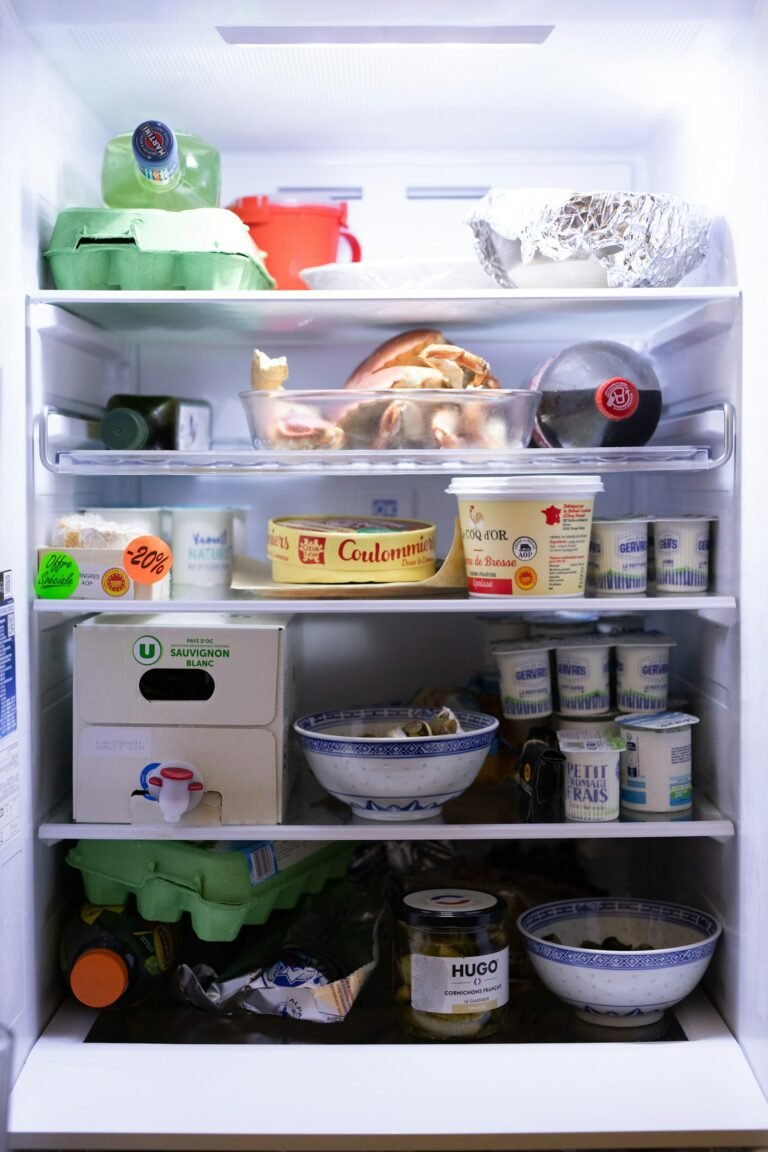
Cold air travels between the freezer and fresh-food sections through internal vents. Overpacked shelves or containers pushed against the vents can disrupt airflow and lead to longer run times.
Possible Causes When the Checks Don’t Help
If the simple checks do not explain a refrigerator running constantly, the cause may involve one of several components. Because different failures can produce the same symptom, a technician will usually test more than one possibility.
Condenser Fan Problems
On many refrigerators, a condenser fan near the compressor helps remove heat. If the fan stops or slows, heat builds up and the compressor runs longer to keep up.
Evaporator Fan Problems
The evaporator fan moves cold air from the cooling coils into the compartments. When it fails or becomes obstructed by ice, the compartments can stay warm even though the compressor keeps running.
Defrost System Failure
Frost-free refrigerators periodically melt frost off the evaporator coils. If a defrost heater, defrost thermostat, or defrost control fails, ice can gradually cover the coils and block airflow. A frosted-over back panel inside the freezer can sometimes indicate this problem.
Temperature Sensor or Control Issues
Thermistors and the control board tell the refrigerator when to cool. If a sensor reports inaccurate temperatures, the system may keep running even when the compartment is already cold.
Sealed System Problems
Less commonly, constant running can be related to the sealed refrigeration system, such as a refrigerant leak or a compressor that is no longer working efficiently. Sealed system work requires specialized equipment and certification and must never be attempted by a homeowner.
A Note for Hot, Humid Climates
In warm regions such as Southwest Florida, refrigerators work harder for much of the year. Humid air entering through a weak door seal adds moisture inside, and refrigerators kept in garages or on lanais may run almost nonstop on hot days. Many standard refrigerators are not designed for unconditioned spaces, so check your manual before relocating one to a garage.
When to Call a Professional
Schedule a diagnosis if constant running comes with any of these signs:
- food is not staying cold or frozen items are softening;
- frost is building up on the freezer’s back wall;
- you hear clicking, buzzing, or grinding sounds;
- the refrigerator feels unusually hot around the base or sides;
- your energy use has increased without an obvious reason.
A trusted appliance repair team can test the fans, defrost components, sensors, and controls to identify what is actually causing the problem.
Repair or Replace?
Fans, defrost components, and sensors are commonly replaceable parts, so repair is often a reasonable option. Replacement may be worth weighing when the refrigerator is older and needs sealed system work, or when several major components fail at once. A clear diagnosis gives you the facts to make that choice.
Bottom line: a refrigerator running constantly is not always a sign of failure, but it is a signal worth paying attention to. Start with the simple checks above. If temperatures stay off target or other symptoms appear, professional diagnosis can determine whether the cause involves airflow, the defrost system, the controls, or the cooling system itself.