

August 31, 2026
High-end appliances are designed to make everyday routines feel effortless.
When performance changes, the repair process should be equally considered.
High-end appliance repair begins with the symptom, the specific model, and a proper diagnosis—not assumptions based on the brand or price of the appliance.
Start With What Changed
A small change can be useful diagnostic information.
A refrigerator may struggle to maintain temperature. An oven may heat inconsistently. A dishwasher may stop completing its cycle normally.
Pay attention to:
- temperature changes;
- unusual sounds;
- new error codes;
- longer or interrupted cycles;
- changes in heating or cooling;
- water or moisture where it should not be;
- controls that respond differently.
Describe the behavior before trying to identify the failed part.
Premium Brands Require Model-Specific Diagnosis
High-end appliances can differ significantly in design, controls, components, and operating systems.
Empire Appliances Repair services premium brands including:
- Sub-Zero and Wolf;
- Thermador and Miele;
- Viking and Monogram;
- JennAir and Bosch;
- Fisher & Paykel and Dacor;
- Gaggenau and Cove;
- Liebherr and True Residential;
- Bertazzoni.
The brand provides context.
The model and confirmed fault determine the repair.
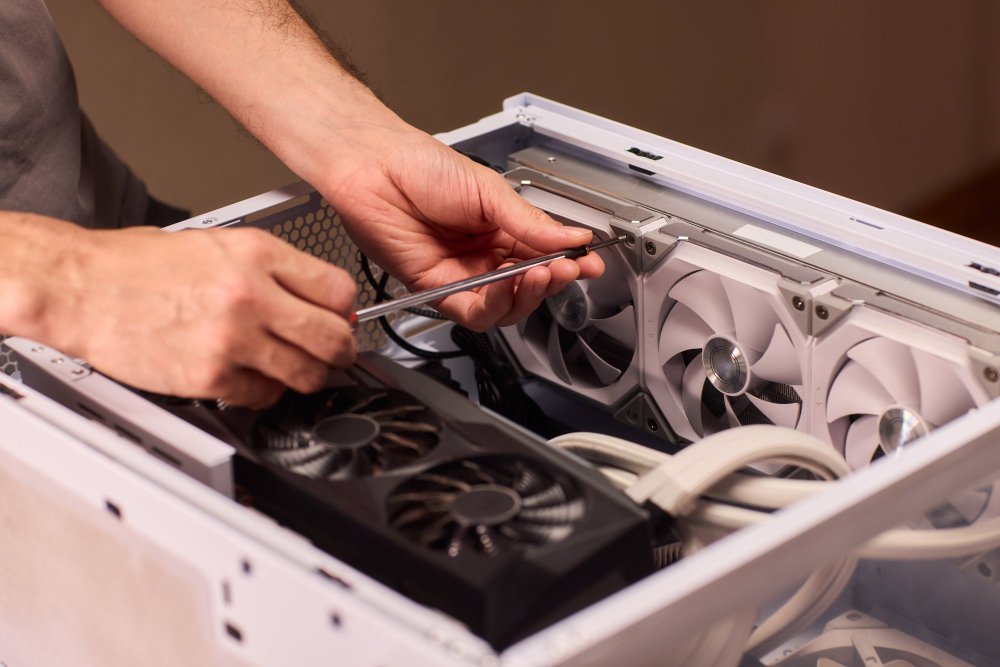
Know Where DIY Troubleshooting Ends
Basic observations can help.
Check settings. Record error codes. Note when the problem occurs. Identify which functions still operate normally.
Then stop before troubleshooting becomes unsafe.
Professional diagnosis is appropriate when the problem involves:
- internal electrical systems;
- gas components;
- sealed refrigeration systems;
- electronic controls;
- internal heating or cooling components;
- repeated unexplained failures.
Do not bypass safety devices or attempt energized electrical, internal gas, or refrigerant-system repairs.
If you notice gas odor, smoke, unexpected sparking, a persistent electrical burning smell, or visibly damaged wiring, stop normal use and take the appropriate safety action.
Diagnose Before Replacing Parts
A symptom is not a diagnosis.
A refrigerator that is too warm does not automatically have a failed compressor.
An oven that does not heat does not automatically need a heating element.
An error code does not always identify the component that must be replaced.
Professional testing helps separate possible causes from the actual fault.
Good repair replaces what testing shows needs attention—not what appears most closely related to the symptom.
Repair or Replace?
Make that decision after diagnosis.
Consider:
- the confirmed fault;
- overall appliance condition;
- previous repair history;
- parts availability;
- scope of the repair;
- installation configuration.
Built-in appliances may also interact with cabinetry, panels, countertops, ventilation, plumbing, or electrical connections.
Replacement can therefore involve more than the appliance itself.
Empire Appliances Repair provides diagnosis and repair for high-end refrigerators, freezers, ovens, ranges, cooktops, dishwashers, wine coolers, and other premium appliances.
Observe the change.
Confirm the fault.
Repair what needs repair.
Keep the process as precise as the appliance itself.